
Introduction
Not long ago, education meant sitting inside a classroom.
A teacher stood at the front.
Students took notes.
Knowledge flowed in one direction.
Today, learning has expanded far beyond physical classrooms.
With a smartphone or laptop, young people can access thousands of courses, lectures, and tutorials from anywhere in the world. Online education has opened doors that were once unimaginable.
But an important question remains:
Is digital learning truly empowering young people, or are many struggling to stay engaged in this new learning environment?
The Rise of Online Learning
The growth of online learning accelerated rapidly during global disruptions like the COVID-19 pandemic.
Universities, schools, and training institutions adopted digital platforms almost overnight. Today, millions of students around the world participate in online learning every day.
According to insights shared by the World Bank, digital learning has become one of the fastest-growing educational tools globally.
It has expanded access to education, especially for students in remote or underserved communities.
The Opportunities Digital Learning Creates
Online education offers several powerful advantages.
Greater Access to Knowledge
Students can now learn from global experts through platforms that offer courses in technology, business, science, and leadership.
Geographical barriers no longer limit educational opportunities.
Flexible Learning Schedules
Online courses allow students to learn at their own pace, balancing education with work, internships, or other responsibilities.
Skill Development Beyond Traditional Degrees
Digital platforms provide access to practical skill training, including digital marketing, coding, entrepreneurship, and project management.
These skills are increasingly valuable in modern job markets.
The Challenges Young People Face
Despite its advantages, digital learning also presents several challenges.
Many students report:
- difficulty staying focused during online classes
• limited interaction with instructors
• distractions from social media and entertainment
• lack of structured learning environments
Without strong discipline, online education can easily become passive rather than transformative.
Making Digital Learning More Effective
Young people can maximize the benefits of digital education by approaching it intentionally.
Create a Structured Study Environment
Treat online learning with the same seriousness as physical classrooms. Set dedicated study hours and minimize distractions.
Engage Actively With Content
Take notes, participate in discussions, and practice what you learn. Active engagement improves knowledge retention.
Combine Learning With Practical Experience
Applying knowledge through projects, internships, or volunteering helps transform learning into real-world capability.
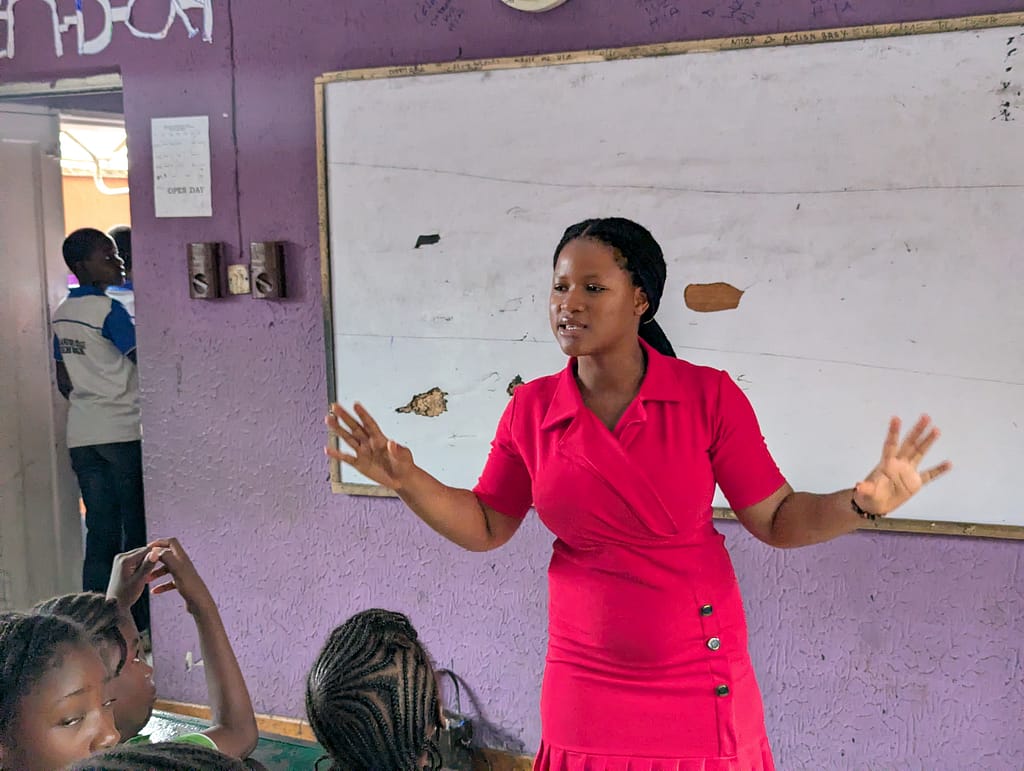
Build Peer Learning Communities
Studying alongside others creates accountability and strengthens understanding.
Digital learning has immense potential to democratize education and empower young people across the world.
But technology alone cannot replace discipline, curiosity, and intentional learning.
The true power of online education lies not in the platform itself, but in how young people choose to engage with it.
Join the YTOP Global Community
At YTOP Global, we support young people in developing the knowledge, skills, and leadership capacity needed to thrive in a changing world.
Through mentorship, learning opportunities, and community engagement, we help youth transform education into real-world impact.
Follow us for more updates on our program.
Connect | Support | Collaborate | Donate | Volunteer
📧 ytopglobalintent@gmail.com
🌐 www.ytopglobal.org
📩 info@ytopglobal.com
#YTOPGlobal #GlobalChangeMaker #YouthMovement #YouthEmpowerment #OsunNGO #NigeriaNGO