
Introduction
A young graduate once asked me a simple question.
“I’ve submitted over 150 job applications. Why am I still not getting interviews?”
I asked another question.
“How many professionals in your field know who you are?”
The room became quiet.
Like many young people, they believed that getting a job depended almost entirely on qualifications, a strong CV, and online applications.
Those things matter.
But they are only part of the picture.
Many career opportunities are created through relationships before they are ever advertised.
People recommend people they trust.
Organisations hire individuals they already know or who come highly recommended.
Mentors connect young professionals with opportunities.
Colleagues introduce one another to new roles.
This is why networking has become one of the most valuable career skills.
Not because it guarantees success.
But because it creates opportunities that hard work alone may never reveal.
The encouraging news is this.
Networking is not about knowing everyone. It is about building genuine relationships with the right people over time.
What Networking Really Means
Many young people misunderstand networking.
They imagine walking into conferences, collecting business cards, and adding hundreds of strangers on LinkedIn.
That is not networking.
Networking is building meaningful professional relationships based on trust, respect, and mutual value.
It is getting to know people.
Learning from them.
Supporting them.
Sharing ideas.
Offering help when you can.
Staying connected over time.
Good networking is less about asking people for jobs and more about becoming someone people remember for the right reasons.
Why Relationships Matter in Every Career
Think about how opportunities often happen.
Someone recommends a friend for a vacancy.
A mentor introduces a student to an employer.
A former colleague shares an opening before it becomes public.
A conference conversation leads to a partnership.
These situations happen every day.
Research from LinkedIn consistently shows that professional networks play a significant role in helping people discover career opportunities, build industry knowledge, and connect with recruiters.
People naturally prefer working with individuals they know, trust, or who come recommended by someone they respect.
That is human nature.
A Story Many Graduates Will Recognize
Imagine two graduates with similar qualifications.
The first graduate spends months applying for jobs online.
The second graduate also applies online, but they attend industry events, volunteer at professional conferences, connect with experienced professionals on LinkedIn, and stay in touch with former lecturers.
Months later, a company needs someone urgently.
Instead of advertising immediately, the hiring manager asks trusted colleagues,
“Do you know anyone suitable?”
One of those colleagues remembers the graduate they met at a conference.
An interview follows.
The opportunity was not created by luck.
It was created by relationships.
Networking Is Not About Using People
One reason some young people avoid networking is because they think it feels dishonest.
They worry it means pretending to like people simply to gain opportunities.
Healthy networking is the opposite.
It is about building authentic relationships.
It means showing genuine interest in others.
Listening.
Learning.
Helping when possible.
Celebrating other people’s success.
Remaining connected even when you are not asking for anything.
People quickly recognise the difference between someone who values relationships and someone who only appears when they need help.
Start Before You Need Something
One common mistake is waiting until unemployment before building a professional network.
Networking works best when it begins long before you need assistance.
Connect with professionals while you are still a student.
Attend seminars.
Participate in workshops.
Volunteer at conferences.
Join professional associations.
Engage thoughtfully on LinkedIn.
Introduce yourself after speaking events.
Relationships built over time become stronger than relationships created during emergencies.
Your Reputation Is Part of Your Network
Networking is not only about who you know.
It is also about what people say when your name comes up in conversation.
Are you reliable?
Do you keep your promises?
Are you respectful?
Do you communicate professionally?
Do you contribute positively?
Your reputation travels ahead of you.
People recommend individuals they trust.
Building a strong reputation is one of the most valuable forms of networking.
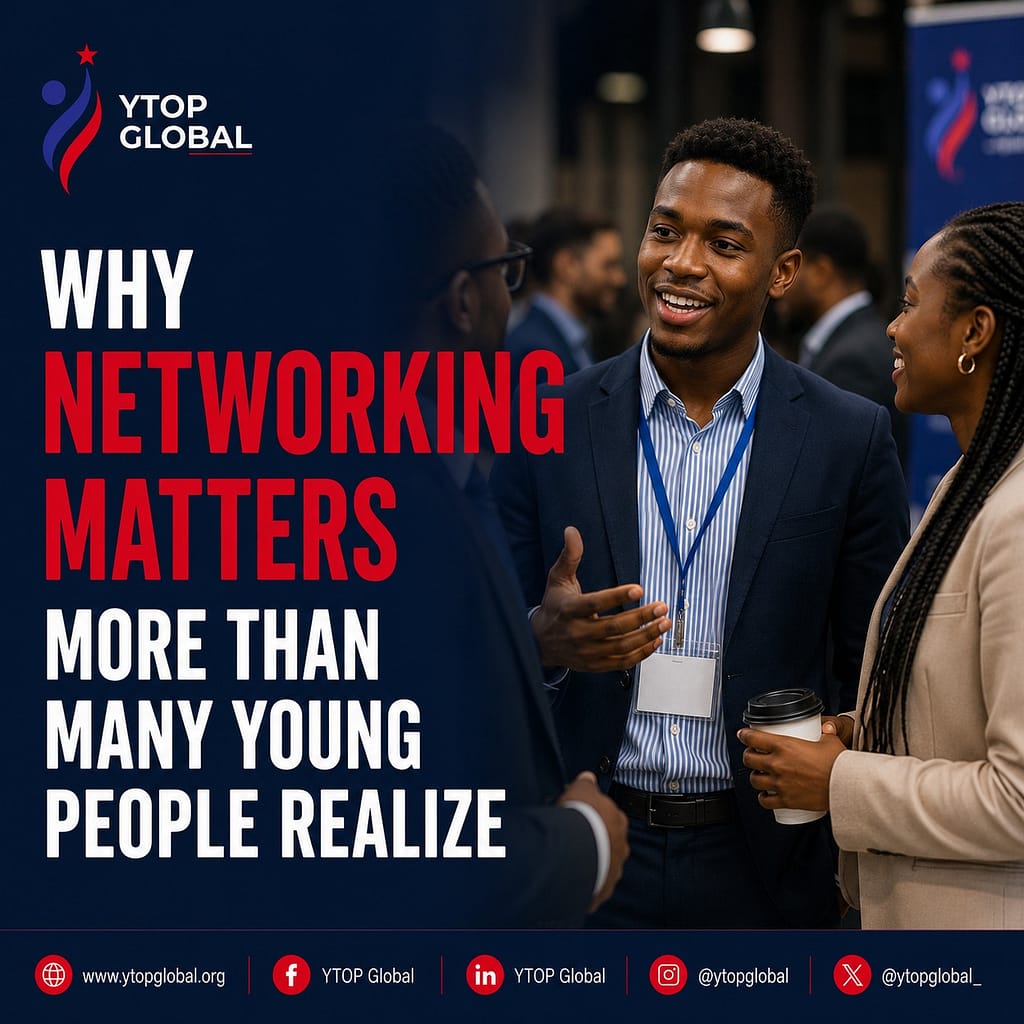
LinkedIn Is More Than an Online CV
Many graduates create a LinkedIn profile and never use it again.
LinkedIn is not just a place to upload your CV.
It is a professional community.
Share what you are learning.
Comment thoughtfully on industry discussions.
Celebrate other people’s achievements.
Publish articles.
Connect with professionals respectfully.
Ask meaningful questions.
Over time, people begin recognising your name and your interests.
That visibility can create unexpected opportunities.
Give Before You Ask
One principle makes networking more meaningful.
Give value first.
Share useful information.
Introduce people to each other.
Volunteer your time.
Offer encouragement.
Support community initiatives.
Recommend good work.
When people see you as someone who contributes, relationships become stronger.
Networking becomes less about transactions and more about trust.
Mentors Expand Your Network
A good mentor offers more than advice.
They often introduce you to people you would never have met on your own.
One introduction can change a career.
That is why seeking mentors is one of the smartest investments a young professional can make.
Mentorship provides wisdom.
Networking expands opportunity.
Together, they accelerate growth.
Build Relationships Beyond Your Industry
Many people network only with professionals in their own field.
Broaden your perspective.
Engineers can learn from entrepreneurs.
Teachers can connect with technology professionals.
Healthcare workers can collaborate with community leaders.
Innovation often happens when different industries share ideas.
The wider your network, the broader your understanding of opportunities.
Reflect on These Questions
Take a moment to think honestly.
How many professionals in my field know me personally?
Am I building relationships before I need opportunities?
What value do I bring to the people in my network?
Who could become a mentor in my career journey?
The answers may shape your future more than you realise.
Final Thoughts
Your next opportunity may not come from another online application.
It may come from someone who remembers your character.
Your willingness to help.
Your professionalism.
Your curiosity.
Your consistency.
Networking is not about becoming popular.
It is about becoming connected to people who help you grow while you also help them grow.
Build relationships.
Invest in people.
Stay connected.
Be dependable.
Keep learning.
Because careers are rarely built alone.
The strongest professionals are often surrounded by strong relationships.
At YTOP Global, we believe young people should never build careers in isolation. Through mentorship, leadership programmes, conferences, volunteer opportunities, and professional development initiatives, we help young people connect with experienced leaders, expand their networks, and develop meaningful relationships that open doors to lifelong opportunities.
At YTOP Global, we believe young people deserve honesty, encouragement, and support, not pressure to figure life out overnight.
Frequently Asked Questions
Why is networking important for young people?
Networking helps young people build professional relationships, discover career opportunities, find mentors, gain industry knowledge, and increase their visibility among employers and leaders.
Do I need to know influential people to network successfully?
No. Effective networking starts with building genuine relationships over time. Consistency, professionalism, and adding value matter more than knowing famous or influential people.
How can students start networking?
Students can attend seminars, volunteer at events, join professional associations, participate in leadership programmes, connect respectfully on LinkedIn, and engage with lecturers and industry professionals.
Is LinkedIn important for networking?
Yes. LinkedIn is one of the world's leading professional networking platforms. It allows you to connect with professionals, share insights, build your personal brand, and discover career opportunities.
What is the biggest mistake people make when networking?
The biggest mistake is only reaching out when they need a job or favour. Strong professional relationships are built through genuine interest, consistent communication, and mutual support over time.
Why is networking important for young people?
Networking helps young people build professional relationships, discover career opportunities, find mentors, gain industry knowledge, and increase their visibility among employers and leaders.