
Smart Is Not One Size Fits All
As we step into 2026, many young people feel a quiet pressure to prove something.
Be smarter.
Move faster.
Do better than others.
Catch up.
But here is a truth that often gets lost in the noise: being smart is not about becoming like everyone else. It is about becoming more of who you already are, with intention, clarity, and growth.
This year is not calling you to compete harder.
It is inviting you to understand yourself deeper.
Redefining What It Means to Be Smart
For a long time, being smart was measured by grades, speed, or how loud success looked.
But real intelligence shows up in quieter ways:
- Knowing your strengths
• Managing your emotions
• Learning consistently
• Making wise choices
• Collaborating with others
• Growing without comparison
Research on youth development shows that self awareness and emotional intelligence often predict long term success more than raw talent alone.
In 2026, smart is not about knowing everything.
It is about knowing yourself.
Finding Your Strength Instead of Chasing Someone Else’s
One of the fastest ways young people lose confidence is by comparing paths.
Someone is ahead.
Someone is louder.
Someone seems more successful.
But comparison steals clarity.
Your strength may not look obvious yet. It might show up as:
- Curiosity
• Creativity
• Empathy
• Organization
• Communication
• Problem solving
• Leadership
• Adaptability
These strengths grow when you pay attention to them.
Ask yourself:
What do people often come to me for
What activities make me feel alive
What do I learn quickly without forcing it
Your answers are clues, not accidents.
Why Focusing on Yourself Is Not Selfish
Many young people feel guilty for focusing on personal growth, as if it means ignoring others.
But growth is not isolation.
It is preparation.
When you understand yourself, you contribute better. When you grow intentionally, you collaborate more effectively. When you stop competing, you free mental space to learn.
Studies on personal development show that people who focus on mastery rather than competition experience higher satisfaction, creativity, and resilience.
Growth lasts longer than comparison.
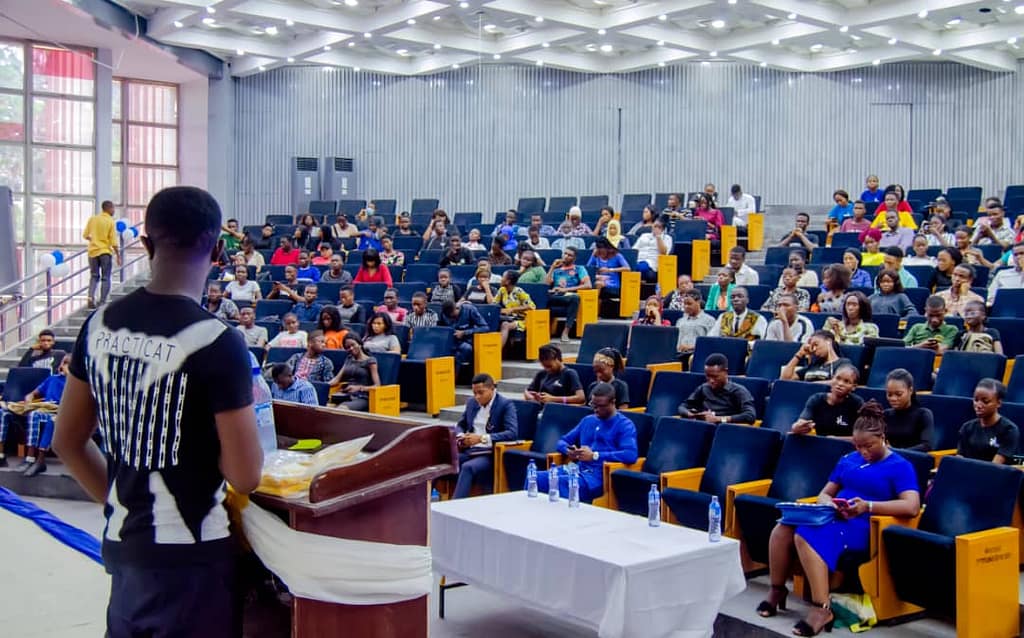
From Competition to Collaboration
Competition says, I must win.
Collaboration says, we can grow.
In 2026, smart young people will:
- Share ideas
• Learn from peers
• Build together
• Ask questions without shame
• Celebrate others without shrinking themselves
Collaboration multiplies impact. Comparison drains energy.
When you work with others, you see perspectives you would never discover alone.
Building Smart Habits, Not Just Big Goals
Becoming smarter is not about dramatic changes. It is about daily habits.
Simple habits that matter:
- Reading consistently
• Reflecting weekly
• Asking better questions
• Learning new skills
• Seeking feedback
• Resting intentionally
Growth compounds quietly.
You do not wake up one day transformed. You become wiser one choice at a time.
Protecting Your Pace in a Fast World
One of the most important skills in 2026 will be pacing yourself.
Social media often makes growth look rushed. But real development takes time.
Smart young people know when to slow down, when to learn, and when to rest.
Your pace is not a weakness.
It is a strategy.
What Smarter Growth Looks Like This Year
As you move through 2026, let your focus be:
- Progress, not perfection
• Learning, not comparison
• Purpose, not pressure
• Collaboration, not competition
• Depth, not noise
This approach builds confidence that lasts.
Becoming Smarter by Becoming You
You do not need to outshine anyone to succeed.
You need to understand yourself, grow intentionally, and stay open to learning.
In 2026, becoming smarter means choosing growth over rivalry, collaboration over comparison, and purpose over pressure.
Your uniqueness is not something to fix.
It is something to develop.
Take this year gently. Learn deeply. Grow wisely.
And remember, the smartest thing you can do is become more fully yourself.