Introduction
When Certificates Do Not Translate to Confidence
Many young people did everything they were told.
They went to school.
They passed exams.
They graduated with certificates.
Yet, when it was time to step into the real world, something felt missing.
They knew theories but struggled with application.
They had grades but lacked confidence.
They had certificates but could not clearly explain what they could do.
This is the silent crisis many schools do not talk about: education without skills.
The Reality Many Young People Are Facing
Education is meant to prepare you for life. But for many young people today, it prepares them mainly to pass exams.
You memorize notes.
You reproduce answers.
You move to the next level.
But when you are asked:
• What value can you add
• What problem can you solve
• What skill do you bring
Silence follows.
This gap between education and practical ability is why many graduates feel unprepared, anxious, and unsure of themselves after school.
What the Data Is Revealing
This challenge is not imagination. It is global.
- According to the UNESCO, millions of graduates worldwide lack basic employability skills despite formal education
• Employers consistently report that graduates struggle with communication, problem solving, teamwork, and adaptability
• Studies show that over 50 percent of young people feel underprepared for work after graduation
Education is happening. Preparation is not always following.
A Nigerian Context That Feels Familiar
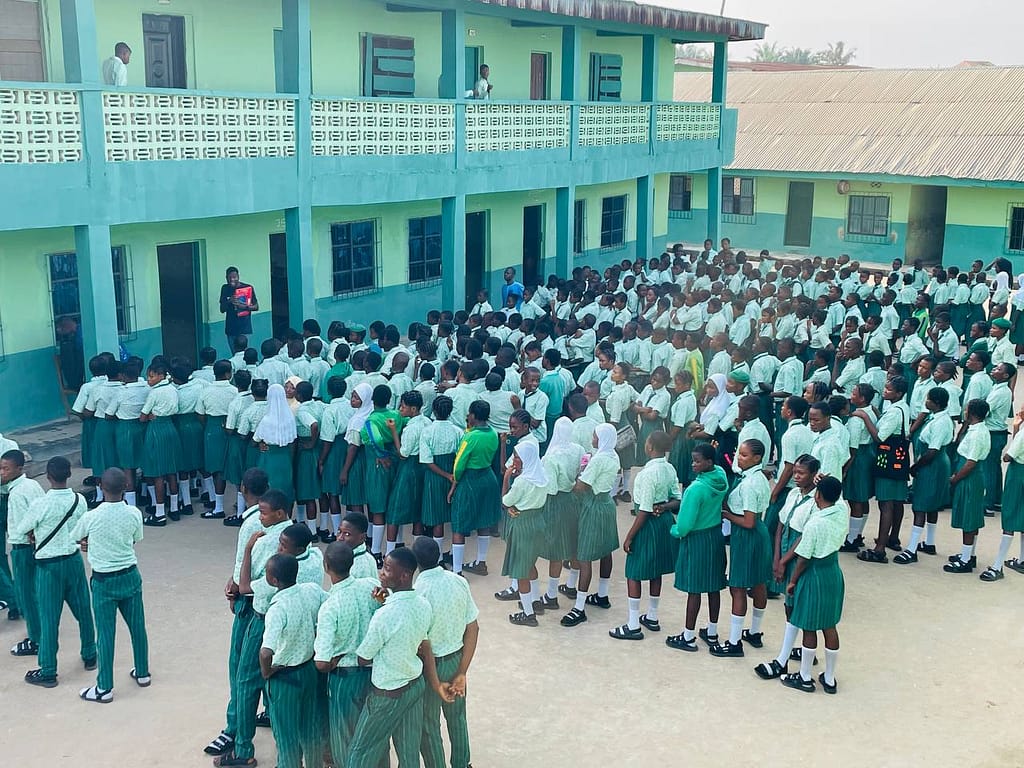
In Nigeria, many young people graduate with strong academic knowledge but limited exposure to real world problem solving.
Some have never:
• Written a professional email
• Worked in a team environment
• Managed a project
• Presented ideas confidently
• Used digital tools relevant to their field
This is not because they are lazy or incapable. It is because the system focused more on completion than competence.
Why Schools Rarely Address This Crisis
There are reasons this gap persists.
- Curriculums change slowly
• Examination success is prioritized over skill mastery
• Large class sizes limit practical engagement
• Life skills are often considered secondary
As a result, young people leave school academically qualified but practically uncertain.
Why Skills Matter More Than Ever
The world of work has changed.
Employers now value:
• What you can do
• How you think
• How you communicate
• How you adapt and learn
Certificates may open doors, but skills determine whether you stay inside.
Research shows that skill based individuals are more employable, more adaptable, and more confident in navigating change.
The Hidden Cost of Education Without Skills
When education lacks skill development, young people pay the price.
- Longer unemployment periods
• Low self-confidence
• Dependence on others
• Fear of starting or experimenting
• Repeated rejection without clarity
This affects not just careers, but mental wellbeing and self worth.
What Skill Based Education Looks Like
Skill based learning does not replace education. It completes it.
It focuses on:
• Communication and writing
• Critical thinking
• Digital literacy
• Collaboration and leadership
• Problem solving
• Emotional intelligence
These skills make knowledge usable.
What Young People Can Do Even If Schools Do Not Teach It
- Take Responsibility for Your Development
Waiting for the system to change may take time. Take ownership now.
Learn beyond the classroom. Curiosity is power.
- Learn Practical Skills Intentionally
Take courses. Volunteer. Intern. Join projects. Build things. Practice.
Skills grow through use, not theory.
- Apply What You Learn Immediately
Do not wait to be perfect. Start small. Apply knowledge in real situations. Confidence grows through action.
- Find Growth Communities
Learning accelerates in community. Being around growth minded people exposes you to skills, mentorship, and opportunities.
A Gentle Truth Every Young Person Needs
Your degree is not useless.
But it is not enough on its own.
Education gives you information.
Skills give you transformation.
When both meet, confidence grows.
Education should not end at graduation. It should continue through skill building, self discovery, and practical learning.
Young people do not fail because they lack intelligence. They struggle because the system did not fully prepare them.
But the good news is this: skills can be learned at any stage.
And you do not have to navigate this alone.
At YTOP Global, we believe young people deserve honesty, encouragement, and support, not pressure to figure life out overnight.