
Introduction
Every successful person has a story that the world celebrates.
People admire the entrepreneur who built a global company, the researcher who made an important discovery, the leader who transformed a community, or the young professional who climbed quickly in their career.
What many people never see is what happened behind the scenes.
They rarely see the teacher who believed in them before anyone else did. They never hear about the senior colleague who corrected their mistakes, the community leader who opened a door for them, or the mentor who helped them make one decision that changed the course of their life.
Success often looks like an individual achievement, but in reality, it is usually the product of many conversations, lessons, corrections, and encouragement from people who have gone ahead.
That is the power of mentorship.
In today’s world, where young people have unlimited access to information but often limited access to guidance, mentorship has become more valuable than ever. It does not simply help people succeed faster. It helps them avoid unnecessary mistakes, discover opportunities earlier, and become the kind of people who create lasting impact.
The question is no longer whether mentorship is important.
The better question is this:
Can young people truly maximize their potential without it?
We Have More Information Than Ever, Yet Many Young People Feel Lost
This generation has something previous generations never had.
With a smartphone and an internet connection, a young person can learn almost anything. They can watch lectures from world class universities, read thousands of books, take online courses, and even ask artificial intelligence almost any question.
Yet despite all this information, many young people still feel confused about life.
They do not know which career to pursue.
They struggle to make important decisions.
They compare themselves constantly with others.
They fear making mistakes that could delay their future.
According to the World Economic Forum, the pace of change in technology and the workplace means young people will likely change careers several times during their lifetime. Skills that are valuable today may become less relevant within a few years. This means success is no longer about simply gaining knowledge. It is about learning how to make good decisions in a rapidly changing world.
That is where mentorship becomes powerful.
Information tells you what is possible.
A mentor helps you understand what is wise.
What Is Mentorship?
Many people think mentorship is only for business executives or company leaders.
It is not.
Mentorship is simply a relationship where someone with more experience intentionally helps another person grow.
A mentor does not live your life for you.
A mentor does not make your decisions.
A mentor does not remove challenges from your journey.
Instead, a mentor shares experience, asks better questions, provides honest feedback, and helps you see possibilities you may never have noticed on your own.
Think about learning to drive.
You can watch hundreds of driving videos online.
You can read every traffic manual available.
But sooner or later, someone has to sit beside you, guide you through real situations, correct your mistakes, and build your confidence.
Life works the same way.
Knowledge teaches principles.
Mentorship teaches application.
Why Many Young People Struggle Without Mentorship
One of the biggest challenges facing young people today is that many are trying to figure out life alone.
They make decisions about careers without speaking to professionals.
They start businesses without learning from experienced entrepreneurs.
They enter relationships without guidance.
They pursue opportunities without understanding how the real world works.
The result is often unnecessary frustration.
Research published by the American Society for Training and Development found that people who receive regular mentoring are significantly more likely to achieve their goals than those who work completely on their own. Mentorship improves confidence, accountability, and long term career development.
This does not mean mentors make life easy.
It means they make learning smarter.
Imagine two graduates applying for jobs.
Both have similar grades.
Both are hardworking.
One submits applications without any guidance. Every rejection feels like failure. Every interview becomes another stressful experience.
The other graduate has a mentor who reviews their curriculum vitae, conducts mock interviews, explains workplace expectations, and encourages them after setbacks.
Both graduates may eventually succeed.
But one will probably spend less time making avoidable mistakes.
That is what mentorship does.
It shortens the learning curve.
Every Great Person Had Someone Who Helped Them
History reminds us that greatness is rarely built alone.
Before becoming one of the world’s most respected investors, Warren Buffett learned from economist Benjamin Graham, whose teachings shaped the way Buffett understood investing and business.
Oprah Winfrey has often spoken about the people who believed in her and challenged her to become a better communicator and leader.
Former United States President Barack Obama frequently acknowledges the influence of teachers, community leaders, and mentors who shaped his leadership journey.
The same pattern appears closer to home.
Many respected Nigerian entrepreneurs, academics, researchers, and public servants openly credit mentors who challenged their thinking and expanded their vision.
Behind many successful people is someone whose name may never appear in headlines but whose influence changed everything.
Mentorship Is Not About Copying Someone Else’s Life
One common misunderstanding is that having a mentor means becoming exactly like them.
That is not mentorship.
A good mentor does not create copies.
A good mentor helps people become the best version of themselves.
They recognize your strengths.
They help you identify blind spots.
They encourage growth while respecting your individuality.
The goal of mentorship is not dependence.
It is maturity.
Eventually, every good mentor wants their mentee to think independently, lead confidently, and even mentor others.
How Do You Find the Right Mentor?
Many young people believe mentors must be famous people.
That is not true.
Your mentor could be a lecturer who genuinely cares about your growth.
It could be your manager at work.
It could be a community leader.
It could be an experienced entrepreneur.
It could even be someone you consistently learn from through books, podcasts, or public teaching until a personal relationship becomes possible.
The important question is not whether someone is popular.
The important question is whether their life reflects the values and direction you admire.
Choose mentors who demonstrate integrity.
Choose people who continue learning.
Choose people whose success has not cost them their character.
Most importantly, choose people who are willing to tell you the truth, not simply what you want to hear.
Becoming Someone Worth Mentoring
Finding a mentor is important.
Becoming someone who can be mentored is equally important.
The best mentors invest their time where they see commitment.
They look for people who are teachable.
People who take action.
People who keep their word.
People who are willing to learn.
If someone gives you advice and you never apply it, they will eventually stop investing in your growth.
Mentorship is not about collecting advice.
It is about applying wisdom.
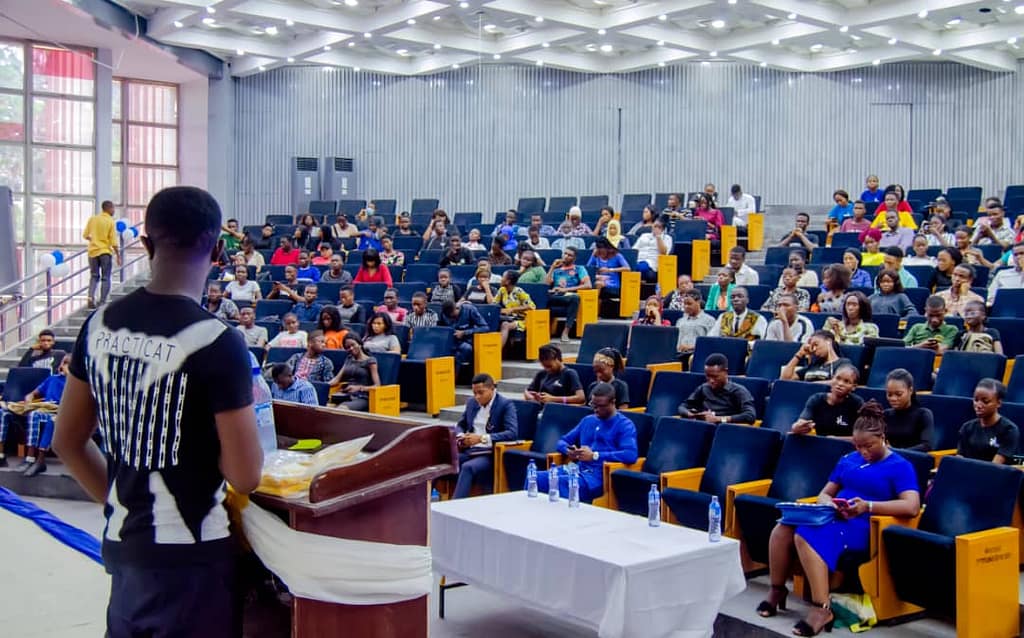
Why Communities Matter
Sometimes mentorship comes from one individual.
Sometimes it comes from an entire community.
When young people surround themselves with people who value growth, learning becomes part of everyday life.
Ideas are exchanged.
Opportunities are shared.
Challenges become easier because people support one another.
This is why communities dedicated to leadership, learning, volunteering, and personal development play such an important role in shaping future leaders.
No one grows in isolation.
The people around you influence how you think, what you believe, and what you eventually become.
Ask Yourself These Questions
As you finish reading, pause for a moment.
Who do you currently go to when you need honest advice?
Whose life challenges you to become better?
Who celebrates your progress but is also willing to correct you?
If you continue making important life decisions alone, where might that lead you five years from now?
Sometimes one conversation can save years of confusion.
Final Thoughts
There is an African proverb that says, “If you want to go fast, go alone. If you want to go far, go together.”
Greatness has never been a solo journey.
The most successful people in every generation continue to learn from others because they understand that experience is one of life’s greatest teachers.
Mentorship will not remove every obstacle from your journey.
You will still work hard.
You will still experience setbacks.
You will still make mistakes.
But with the right mentor, you will make fewer unnecessary mistakes, discover opportunities earlier, and develop into the kind of leader who helps others rise as well.
Perhaps the question is not whether you need a mentor.
Perhaps the real question is this:
Who is helping you become the person you hope to be?
At YTOP Global, we believe that every young person deserves access to guidance, opportunity, and a community that believes in their potential. Through mentorship, leadership development, volunteer programs, school outreaches, capacity building, and youth empowerment initiatives, we are building a generation of young people who do not simply chase success but grow into leaders who create lasting impact in their communities and beyond.
At YTOP Global, we believe young people deserve honesty, encouragement, and support, not pressure to figure life out overnight.