
Introduction
In a world that’s increasingly digital, fast-paced, and disconnected, finding a sense of belonging has never been more important, especially for young people. Many youths today face the challenge of navigating personal growth, career aspirations, and emotional well-being in an environment that often feels isolating. Social media might offer a false sense of connection, but true belonging comes from real, supportive communities where ideas are shared, friendships are built, and growth is nurtured.
Youth communities are more than just a group of people with common interests; they are spaces where belonging, peer learning, and collective growth take place. These communities are the foundation for personal development, mental health, and professional success. Whether online or in-person, a strong community can provide the support and encouragement needed to thrive in an ever-changing world.
In this blog, we’ll explore why youth communities matter more than ever, and how these networks of support foster belonging, promote peer learning, and facilitate collective growth. If you’re looking for a place to grow, learn, and connect, building or joining a youth community could be the key to unlocking your full potential.
The Importance of Belonging in Today’s World
In today’s digital age, many young people find themselves caught between the illusion of constant connection through social media and the reality of loneliness and isolation. Research shows that social isolation among young people is rising, with many feeling disconnected from their peers and the world around them. A Cigna report found that nearly 50% of young adults report feeling lonely, despite being highly active on social media.
The concept of “belonging” is vital in addressing this issue. Belonging is the deep sense of being accepted and valued in a community—whether that community is made up of friends, peers, or like-minded individuals. Belonging provides young people with emotional support, a sense of purpose, and a foundation on which they can build confidence and resilience.
In a world that constantly demands more from us, youth communities offer a space where you can be yourself, share experiences, and connect with others who understand your challenges and aspirations. These communities are not only essential for emotional well-being, but also for intellectual and social growth. They are the breeding grounds for collective action, innovation, and the development of leadership skills.
Why Youth Communities Matter More Than Ever
- Belonging: The Foundation for Mental and Emotional Health
One of the most significant benefits of youth communities is the sense of belonging they provide. Belonging is a fundamental human need, and when young people feel connected to others, it fosters a sense of safety, support, and well-being. A strong community acts as a support network during difficult times, offering emotional encouragement and the reassurance that you’re not alone.
In a Harvard Medical School study, it was found that youth who feel they belong to a community are more likely to have positive mental health, increased self-esteem, and better coping mechanisms when faced with stress. These communities become a source of emotional strength, providing a space for individuals to express themselves and find validation in their experiences.
Belonging also combats the sense of isolation that many young people feel, especially in an increasingly digital world. Real-world communities, where individuals can interact face-to-face or engage in shared experiences, provide a sense of connection that online interactions often cannot replicate. When you feel like you truly belong, you have the confidence to pursue your goals and face challenges head-on.
- Peer Learning: Learning from Those Who Understand You
Youth communities create an environment where peer learning can flourish. Rather than relying on traditional top-down education, communities offer a space where young people can learn from each other’s experiences, skills, and perspectives. Peer learning is one of the most effective forms of education, as it allows for collaborative problem-solving, knowledge exchange, and mutual support.
In these communities, individuals can share resources, study together, and help each other navigate academic, personal, and professional challenges. For example, in a youth-led community for entrepreneurship, members might share insights on starting a business, provide feedback on each other’s ideas, or offer advice on overcoming setbacks. This peer-to-peer support accelerates learning and personal growth.
Moreover, peer learning empowers young people by giving them ownership of their own education and development. By teaching one another, members of the community reinforce their own knowledge while contributing to the success of others. This collaborative environment builds stronger, more resilient individuals who are ready to take on leadership roles and contribute to society in meaningful ways.
- Collective Growth: Empowering Each Other to Achieve More
Youth communities are powerful because they enable collective growth. When individuals come together to support one another, the entire group benefits. Whether it’s collaborating on a community service project, organizing an event, or working on a shared goal, collective growth creates momentum that allows for greater achievements.
In a community where each person is encouraged to grow, the group as a whole thrives. This concept of collective growth is not only important for personal development, but it also leads to greater social impact. Youth communities can tackle important issues, like climate change, education, or social justice, through collective action. By working together, they have the potential to make a real difference in the world.
For example, young activists in community groups often come together to raise awareness and take action on global issues. Their collective effort, supported by the strength of their community, amplifies their voices and leads to tangible change. Collective growth builds leadership, teamwork, and a sense of shared responsibility—values that are critical for personal development and social impact.
- Building Leadership and Social Skills
Being part of a youth community is one of the best ways to develop leadership and social skills. In a supportive environment where collaboration and communication are valued, young people learn how to work with others, manage conflicts, and take on leadership roles. These are the skills that will serve them well throughout their careers and lives.
In many youth communities, members are encouraged to take on responsibilities—whether it’s organizing an event, leading a project, or mentoring younger members. These opportunities allow individuals to develop important skills like project management, public speaking, and strategic planning. They also foster a sense of ownership and accountability, which are key components of strong leadership.
Through these experiences, young people not only grow individually but also contribute to the growth and success of their community. They learn to lead with empathy, collaborate effectively, and inspire others—all essential qualities for becoming impactful leaders in any field.
How to Build or Join a Youth Community for Personal and Collective Growth
- Find Communities Aligned with Your Values and Interests
To get the most out of a youth community, it’s important to find one that aligns with your values, passions, and goals. Whether it’s a youth group focused on entrepreneurship, education, social justice, or personal development, ensure that the community reflects what you care about most. This alignment will help you connect with others who share your vision and will keep you motivated to contribute and grow.
- Engage Actively and Share Your Knowledge
Being part of a community means contributing to its growth. Engage actively by participating in discussions, sharing your knowledge, and helping others. Whether it’s offering advice, providing support, or volunteering your time, your contributions will make the community stronger and will accelerate your personal growth.
- Build Trust and Foster Collaboration
Trust is the foundation of any successful community. Work on building strong, trusting relationships with fellow members. This trust fosters a collaborative environment where everyone feels valued and supported. When trust is established, the community can achieve great things together.
- Create Your Own Community
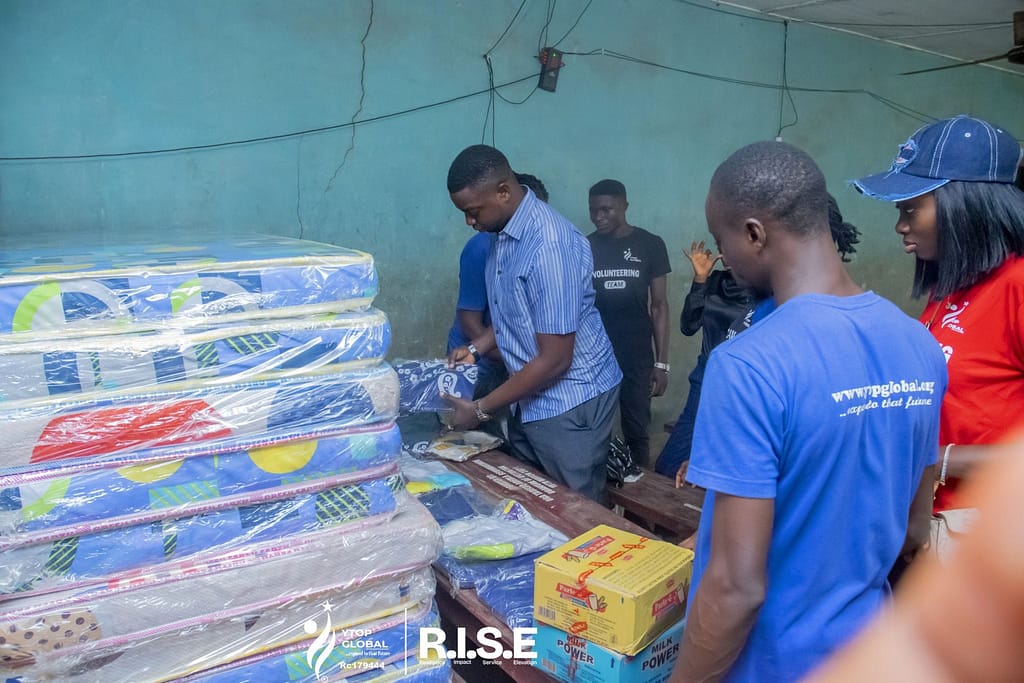
If you don’t find a community that aligns with your goals, create one! It can be as simple as starting a study group, a volunteer team, or a youth project. Use your leadership and organizational skills to bring like-minded people together, create a positive and productive environment, and work toward common goals.
Practical Takeaways for Empowerment and Action
Here are some steps you can take to build or join a youth community for growth:
- Seek out communities that share your interests and values, whether online or in person.
- Engage actively by contributing to discussions, sharing insights, and supporting other members.
- Foster collaboration by building trust, being open-minded, and working toward common goals.
- Create your own community if you can’t find one that suits your needs, and invite others to join in your mission.
Youth communities are more than just a place to meet people—they’re a place where belonging, peer learning, and collective growth come together to create lasting impact. Whether you’re looking for personal development, a network of supportive friends, or a group dedicated to social change, youth communities offer the support and encouragement needed to thrive.
Join YTOP Global as we empower young people to come together, learn from each other, and create positive change in their communities. Together, we can build communities that foster belonging, learning, and growth for every young person. The future is brighter when we grow together—let’s start building today.