
Introduction
There was a time when learning a trade followed a simple path.
A young person would walk into a workshop, a farm, a tailoring shop, or a mechanic’s garage.
They would start by watching.
Then assisting.
Then practicing.
Over time, they would master the craft.
This system, often called apprenticeship, shaped generations of skilled professionals. Carpenters, tailors, mechanics, blacksmiths, farmers, and artisans learned directly from experienced masters who transferred knowledge through daily practice.
But today, something important is changing.
Across many societies, apprenticeship and traditional skill transfer are gradually declining.
And with that decline comes a serious question:
What happens to a generation when practical knowledge stops being passed down?
When Learning Was Built Around Practice
For centuries, apprenticeship was one of the most effective systems for developing skills.
Young people learned through:
- observation
• repetition
• mentorship
• real world problem solving
Instead of relying only on theory, they gained hands on experience.
Many traditional professions were built on this system.
Master craftsmen passed their knowledge to apprentices, who eventually became masters themselves.
The cycle continued for generations.
Why Apprenticeship Is Declining
Several social and economic changes have weakened traditional apprenticeship systems.
- The Shift Toward Formal Education
In many countries, academic education has become the primary path to success.
Parents often encourage children to pursue university degrees rather than vocational training.
While education is extremely valuable, this shift sometimes creates the impression that skilled trades are less prestigious.
As a result, fewer young people choose practical professions.
Organizations such as the International Labour Organization have highlighted the importance of vocational education and apprenticeships in strengthening youth employment.
Yet in many communities, these pathways receive less attention than academic routes.
- Urbanization and Changing Work Environments
Traditional apprenticeships often took place in small workshops, farms, or family businesses.
But as societies become more urbanized, many of these environments are disappearing.
Young people moving to cities may no longer have easy access to experienced mentors in traditional crafts.
Industrialization and modern business structures have also replaced some traditional trades.
- The Digital Economy’s Influence
Technology is transforming how work is performed.
Young people increasingly pursue digital careers in areas such as:
- software development
• content creation
• digital marketing
• remote freelancing
These careers offer new opportunities, but they also shift attention away from traditional crafts and manual skills.
The digital economy often feels more modern and appealing, especially to younger generations.
- Weak Mentorship Systems
Apprenticeship relies heavily on strong mentorship.
When experienced professionals stop actively teaching younger generations, the chain of knowledge begins to weaken.
In some industries, older professionals retire without transferring their expertise.
When that happens, valuable knowledge can disappear permanently.
The Consequences of Losing Skill Transfer
When apprenticeship systems weaken, several challenges emerge.
Skills Shortages
Many industries begin experiencing shortages of skilled workers.
Fields such as construction, manufacturing, and technical services often struggle to find trained professionals.
Youth Unemployment
Ironically, unemployment among young people can increase even when skilled jobs are available.
Without training systems that connect youth with practical work, many remain unemployed despite existing opportunities.
Loss of Cultural Knowledge
Traditional crafts often carry cultural significance.
Skills passed through generations represent identity, history, and community heritage.
When these skills disappear, societies lose part of their cultural memory.
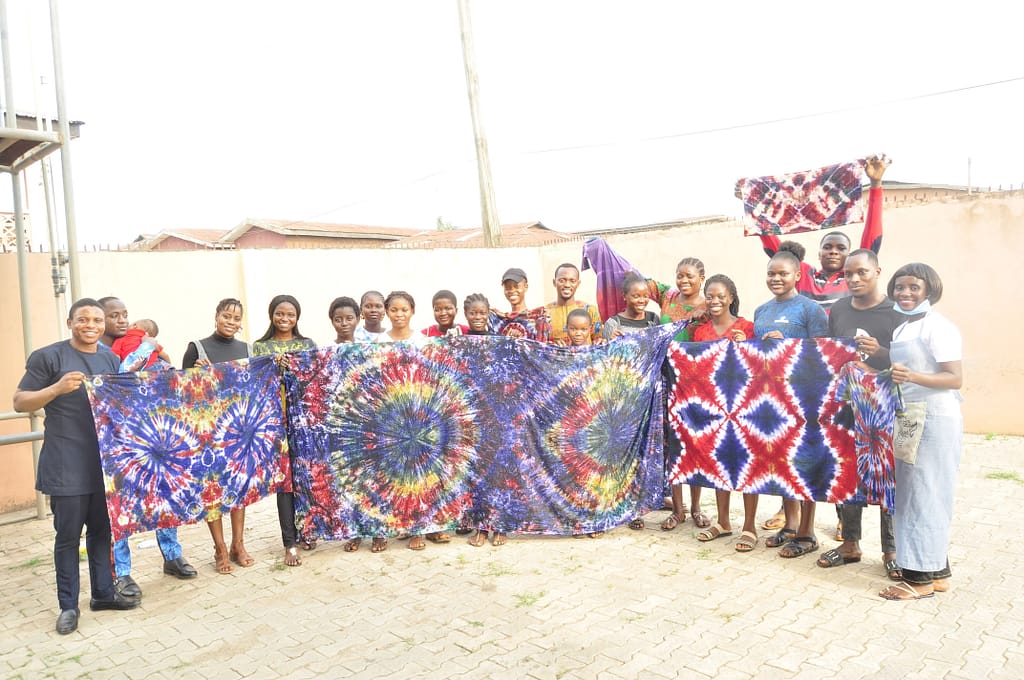
A Nigerian Perspective
In Nigeria, apprenticeship has historically been a powerful system for economic mobility.
Markets, workshops, and artisan communities trained young people in trades such as:
- tailoring
• carpentry
• electrical work
• automobile repair
• metal fabrication
In many parts of the country, apprenticeship helped young people become financially independent without formal degrees.
However, changing economic conditions and shifting social attitudes have weakened some of these systems.
At the same time, modern skill gaps are emerging in areas such as:
- technical engineering
• digital technology
• renewable energy
• modern manufacturing
Reviving apprenticeship models could help bridge these gaps.
Why Apprenticeship Still Matters Today
Despite modern technological changes, apprenticeship remains a powerful model for skill development.
It offers benefits that classroom learning alone cannot provide.
Young people gain:
- real world experience
• mentorship from experts
• confidence through practice
• industry exposure
• practical problem solving skills
These experiences prepare individuals for the realities of professional work.
Reimagining Apprenticeship for the Modern World
The future may require a hybrid approach.
Instead of choosing between academic education and vocational training, societies can combine both.
Modern apprenticeship programs can integrate:
- technical education
• digital tools
• practical industry experience
• mentorship networks
Countries that successfully combine education with apprenticeship often produce highly skilled workforces.
Germany, for example, has long maintained strong apprenticeship systems that connect education with industry.
Every generation inherits knowledge from those who came before.
But inheritance only continues when that knowledge is shared.
Skills, wisdom, and experience cannot survive if they are not transferred.
Young people need mentors.
And experienced professionals need opportunities to teach.
Preserving the Chain of Knowledge
Apprenticeship is more than a training method.
It is a bridge between generations.
When knowledge flows from mentors to learners, communities grow stronger and more resilient.
Reviving apprenticeship and skill transfer systems can help young people build meaningful careers while preserving valuable knowledge.
Because the future of work depends not only on innovation, but also on the wisdom passed down through experience.
At YTOP Global, we believe young people deserve honesty, encouragement, and support, not pressure to figure life out overnight.
Follow us for more updates on our program.
Connect | Support | Collaborate | Donate | Volunteer
ytopglobalintent@gmail.com
www.ytopglobal.org
info@ytopglobal.com