
Introduction
A university graduate sits in front of a laptop searching for jobs.
While scrolling through listings, another thought appears:
What if artificial intelligence can do this job faster than I can?
Across the world, young people are beginning to ask similar questions.
Technology is advancing quickly. Artificial intelligence systems are writing content, analyzing data, designing graphics, assisting doctors, supporting customer service, and even helping companies make decisions.
For many young people entering the workforce, this raises an important concern:
Will artificial intelligence take away opportunities, or will it create new ones?
Understanding how artificial intelligence affects jobs and skills is becoming one of the most important conversations for this generation.
The Rise of Artificial Intelligence in the Workplace
Artificial intelligence is no longer a futuristic concept.
It is already part of daily work in many industries.
Companies such as OpenAI, Google, and Microsoft are developing powerful AI systems capable of performing complex tasks.
Artificial intelligence can now:
- analyze large amounts of data
• automate repetitive tasks
• generate written content
• support customer interactions
• assist medical diagnosis
• improve logistics and operations
These developments are transforming how organizations operate.
What the Data Says About the Future of Work
According to research by the World Economic Forum, technological change will reshape millions of jobs worldwide over the next decade.
The report highlights two important trends:
- some existing roles will become automated
• new types of jobs will emerge that require different skills
Automation tends to affect repetitive tasks the most.
Jobs involving predictable routines are more likely to be handled by machines.
However, roles that require creativity, empathy, leadership, and complex decision making remain difficult for machines to replace.
This means the future of work will not simply eliminate jobs.
It will change the kinds of skills that matter most.
Why Young People Are Especially Affected
Young people entering the workforce today are facing a unique challenge.
They are preparing for careers that may evolve faster than any previous generation experienced.
Many traditional career paths are changing due to:
- automation
• digital transformation
• global competition
• remote work technologies
A degree that guaranteed employment twenty years ago may no longer provide the same certainty today.
This creates both anxiety and opportunity.
Young people who adapt quickly can position themselves for emerging industries.
Those who rely only on traditional training may struggle to stay competitive.
Skills Artificial Intelligence Cannot Easily Replace
While machines can process information quickly, some human abilities remain extremely valuable.
These include:
Creativity
Creative thinking allows people to generate new ideas, design solutions, and imagine possibilities.
Artificial intelligence can assist creativity but rarely originates meaningful vision.
Emotional Intelligence
Understanding emotions, building relationships, and providing empathy remain uniquely human strengths.
Professions involving mentorship, counseling, leadership, and collaboration rely heavily on emotional intelligence.
Critical Thinking
Human judgment is still essential when dealing with complex ethical decisions or ambiguous situations.
Machines can analyze data, but humans interpret meaning and consequences.
Adaptability
Technology changes quickly.
The ability to learn new skills and adjust to evolving environments is becoming one of the most valuable qualities for future workers.
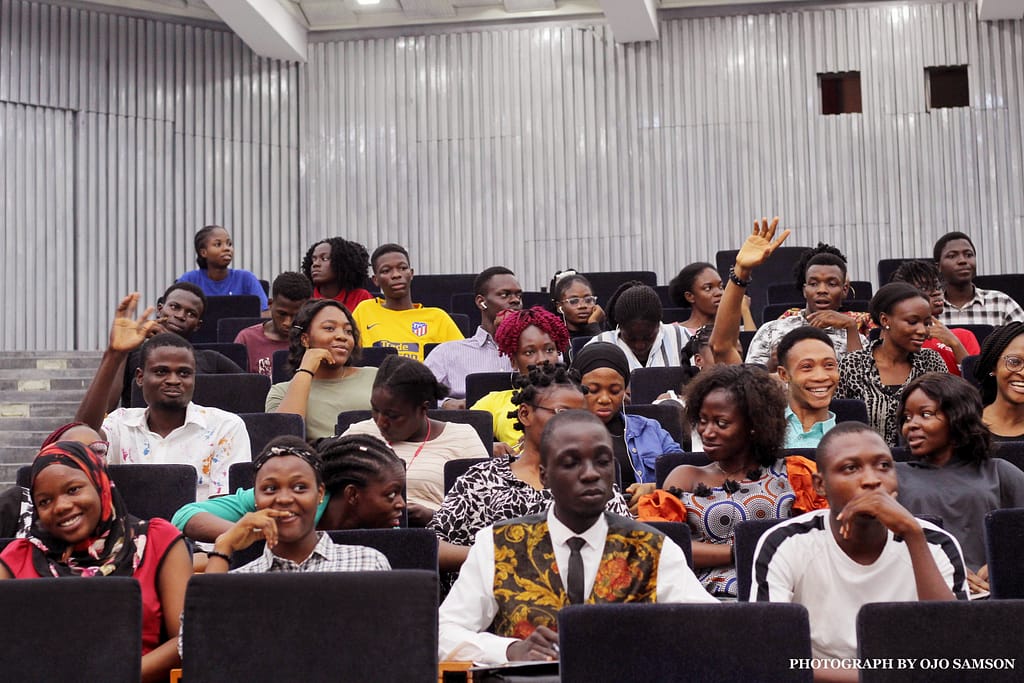
A Nigerian Perspective
In countries like Nigeria, the conversation about artificial intelligence intersects with existing challenges such as youth unemployment.
Many young people are already navigating competitive job markets.
Artificial intelligence may intensify this competition in some industries.
However, it also creates new opportunities.
Young Nigerians are increasingly exploring careers in:
- software development
• digital marketing
• data analysis
• online education
• technology entrepreneurship
With the right training and mindset, technology can become a tool for empowerment rather than a threat.
Preparing for the Future of Work
Instead of fearing artificial intelligence, young people can prepare for the future by focusing on continuous learning.
Some important steps include:
- Develop Digital Skills
Understanding technology is becoming essential in almost every industry.
Skills such as coding, data analysis, digital communication, and online collaboration are increasingly valuable.
- Combine Technical and Human Skills
The most valuable professionals in the future will combine technological knowledge with human abilities such as leadership, empathy, and communication.
- Embrace Lifelong Learning
The traditional idea of finishing education once and working for decades is changing.
Modern careers require continuous skill development.
Online courses, workshops, and mentorship programs can support ongoing growth.
- Focus on Problem Solving
Companies increasingly value individuals who can identify challenges and design effective solutions.
Problem solving is a skill that remains valuable regardless of technological changes.
Artificial intelligence is transforming the world.
But technology alone does not determine the future.
Human creativity, collaboration, and purpose remain central to meaningful progress.
Machines may perform tasks faster.
But people still define vision, values, and direction.
Adapting to a New Era of Opportunity
Artificial intelligence will continue shaping the global economy.
Some jobs will disappear. Others will evolve. Many new roles will emerge.
Young people who remain curious, adaptable, and committed to learning will find opportunities in this changing landscape.
The goal is not to compete with machines.
The goal is to develop the uniquely human strengths that machines cannot replicate.
When young people combine technological understanding with creativity and leadership, they become powerful contributors to the future.
At YTOP Global, we believe young people deserve honesty, encouragement, and support, not pressure to figure life out overnight.
Follow us for more updates on our program.
Connect | Support | Collaborate | Donate | Volunteer
ytopglobalintent@gmail.com
www.ytopglobal.org
info@ytopglobal.com