
Introduction
For many young people today, uncertainty is not unusual.
It is normal.
Many members of Gen Z have grown up during a period of constant global disruption.
They have witnessed:
- economic crises
• political instability
• rapid technological change
• social media pressure
• global pandemics
• rising cost of living
• uncertain career pathways
Instead of growing up in predictable environments, many young people have been shaped by continuous change and uncertainty.
Over time, something surprising has happened.
Chaos has started to feel familiar.
And when stability appears, it sometimes feels strange, temporary, or even unrealistic.
The Generation Shaped by Global Disruption
Gen Z is often described as the first generation to grow up fully within the digital era.
But they are also a generation shaped by repeated global shocks.
Many young people experienced the major disruptions caused by the COVID-19, which affected education, employment opportunities, and social life.
School systems shifted online.
Graduation plans changed.
Career expectations became uncertain.
For many young people, the idea of a stable life path suddenly disappeared.
The Psychological Effect of Constant Uncertainty
When instability becomes common, it shapes how people think about the future.
Instead of expecting stability, many young people begin to assume that disruption will continue.
This mindset can lead to several emotional patterns.
1. Expecting Plans to Collapse
Some young people hesitate to make long-term plans because past experiences have shown them how quickly plans can change.
They may think:
“What if everything changes again?”
As a result, short-term thinking becomes more common.
2. Feeling Anxious Even During Calm Moments
If someone grows up surrounded by uncertainty, moments of stability can feel unfamiliar.
When things finally appear calm, a hidden thought may appear:
“This peace probably will not last.”
This expectation of instability can create constant anxiety about the future.
3. Difficulty Trusting Institutions
Many Gen Z youths have watched institutions struggle to respond to major crises.
Economic uncertainty, political conflicts, and social challenges have sometimes reduced confidence in traditional systems.
Research by the Pew Research Center shows that younger generations often express lower levels of trust in political and institutional systems compared to older generations.
This lack of trust reinforces the feeling that stability cannot always be guaranteed.
A Nigerian Perspective
In Nigeria, many young people experience similar patterns of uncertainty.
Economic challenges, changing policies, and job market instability create environments where planning ahead can feel difficult.
A young graduate might ask:
- Will stable employment opportunities appear?
• Will the economy improve?
• Will my efforts lead to long-term security?
These uncertainties shape how many young Nigerians think about the future.
For some, stability feels less like a promise and more like a rare opportunity.
When Chaos Becomes Part of Identity
Over time, constant uncertainty can become part of how people define themselves.
Young people may begin to identify with resilience, adaptability, and survival.
These qualities are valuable.
But if chaos becomes the expected norm, it can also prevent individuals from imagining healthier futures.
Resilience should help people build stability, not permanently replace it.
Why Stability Still Matters
Despite global uncertainty, stability remains essential for human wellbeing.
Stability allows people to:
- build long-term goals
• form lasting relationships
• invest in personal growth
• plan careers and families
• develop communities
Without stability, life becomes a constant reaction to unexpected events.
Healthy societies require both adaptability and stability.
Rebuilding a Sense of Stability
While young people cannot control global events, they can take steps to create stability within their own lives.
1. Focus on Personal Foundations
Strong personal habits create internal stability.
Daily routines such as:
- regular learning
• physical health practices
• spiritual reflection
• meaningful relationships
can create a sense of balance even in uncertain environments.
2. Build Skills That Adapt to Change
The future may remain unpredictable.
Developing flexible skills such as communication, problem solving, and digital literacy helps individuals navigate changing environments.
Adaptability becomes a powerful asset.
3. Invest in Community
Supportive communities provide emotional and practical stability.
Friends, mentors, family members, and youth networks can help individuals remain grounded during difficult periods.
Community reminds people that they do not face challenges alone.
4. Protect Mental Wellbeing
Constant exposure to negative news and online debates can increase feelings of chaos.
Limiting overwhelming information and prioritizing mental wellbeing can restore emotional balance.
A Powerful Reminder for Gen Z
Gen Z has demonstrated remarkable resilience.
This generation has adapted to changes faster than many expected.
But resilience should not mean accepting instability as the permanent norm.
Young people deserve environments where stability, opportunity, and growth are possible.
The goal is not only to survive uncertainty.
The goal is to build systems and communities that allow future generations to thrive.
Finding Balance in an Uncertain World
The modern world will likely continue to change rapidly.
Technology, economics, and global events will continue shaping the experiences of young people.
But chaos does not have to define the future.
By building strong personal foundations, supportive communities, and meaningful goals, young people can create stability even within uncertain environments.
And through leadership, innovation, and collaboration, they can help shape a more stable world for those who come after them.
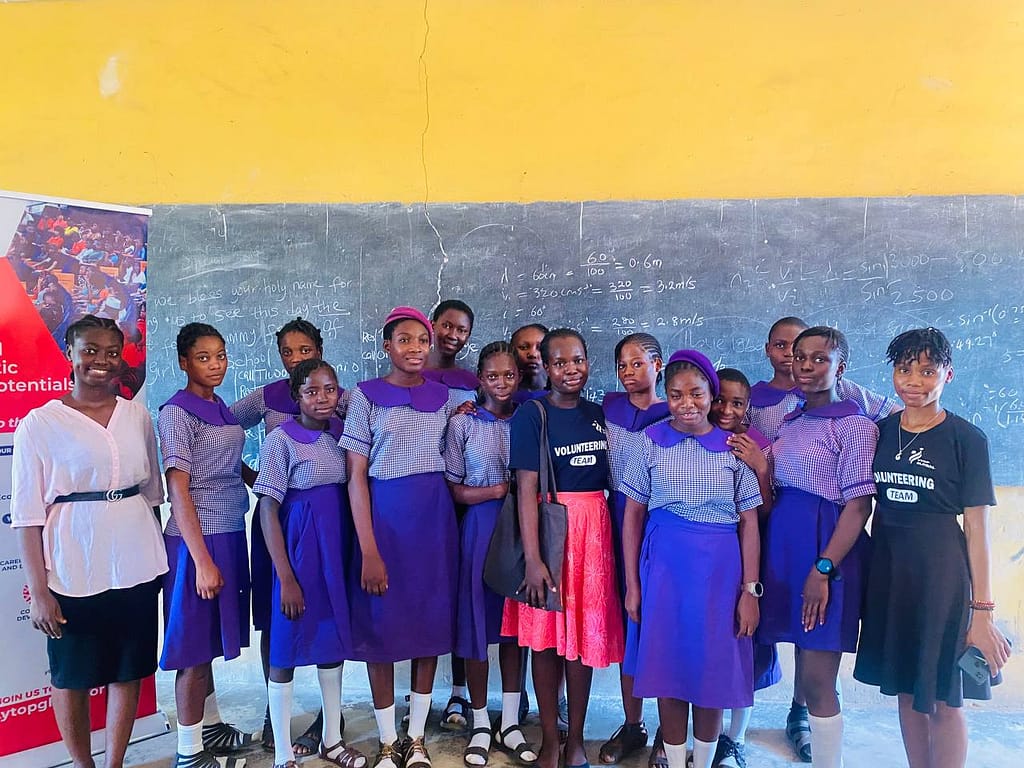
At YTOP Global, we believe young people deserve honesty, encouragement, and support, not pressure to figure life out overnight.
Follow us for more updates on our program.
Connect | Support | Collaborate | Donate | Volunteer
ytopglobalintent@gmail.com
www.ytopglobal.org
info@ytopglobal.com