
Introduction
For many generations, the idea of family followed a familiar structure.
Two parents.
Children raised in the same household.
Clear roles within the home.
A predictable path from marriage to parenthood.
This model shaped how societies understood family life for decades.
But today, something significant is happening.
Across many parts of the world, young people are beginning to rethink what family, marriage, and parenthood should look like.
Some are delaying having children.
Others are choosing different family arrangements.
Some are questioning traditional expectations altogether.
This shift has sparked an important conversation:
Is the traditional family model changing permanently?
A Generation Growing Up in a Different World
Young people today are making life decisions within a very different social and economic environment.
Compared to previous generations, they face:
- longer educational journeys
• rising living costs
• changing career paths
• increased global mobility
• evolving gender roles
• shifting cultural expectations
These realities influence how they think about relationships and raising children.
Parenthood is no longer seen as an automatic step that must happen quickly after adulthood.
For many young people, it has become a deliberate choice rather than a social expectation.
The Changing Timeline of Parenthood
One of the most noticeable trends is the delay in starting families.
Research by the Pew Research Center shows that in many countries, people are becoming parents later than previous generations.
Young adults often want time to:
- build financial stability
• pursue education or careers
• travel or explore opportunities
• develop emotionally before raising children
While earlier generations often started families in their early twenties, many young people today are waiting until their late twenties or thirties.
This change reflects evolving priorities rather than a rejection of family life.
Economic Pressures and Parenthood
Financial realities also play a major role in family decisions.
Raising children has become more expensive in many parts of the world.
Expenses such as:
- housing
• education
• healthcare
• childcare
have increased significantly over time.
Reports from organizations like the World Economic Forum highlight how economic uncertainty affects major life decisions among younger generations.
For many young people, becoming a parent requires careful financial planning.
They want to ensure they can provide stability before starting families.
Redefining Parenting Roles
Another major change involves the roles parents play within families.
Traditional expectations often assigned clear responsibilities:
- fathers as primary financial providers
• mothers as primary caregivers
Today, many young families are moving toward more flexible arrangements.
Both parents often participate in:
- income generation
• childcare responsibilities
• household management
• emotional support for children
This shift reflects broader changes in gender equality and professional opportunities.
Modern parenthood increasingly emphasizes shared responsibility.
The Influence of Modern Lifestyles
Modern lifestyles also influence how young people approach family life.
Urban living, global travel, and digital careers create environments where individuals have greater personal independence.
Some young people prioritize:
- career development
• personal growth
• social impact
• creative pursuits
before committing to raising children.
This does not necessarily mean they reject parenthood.
Instead, many want to ensure they are emotionally and practically prepared.
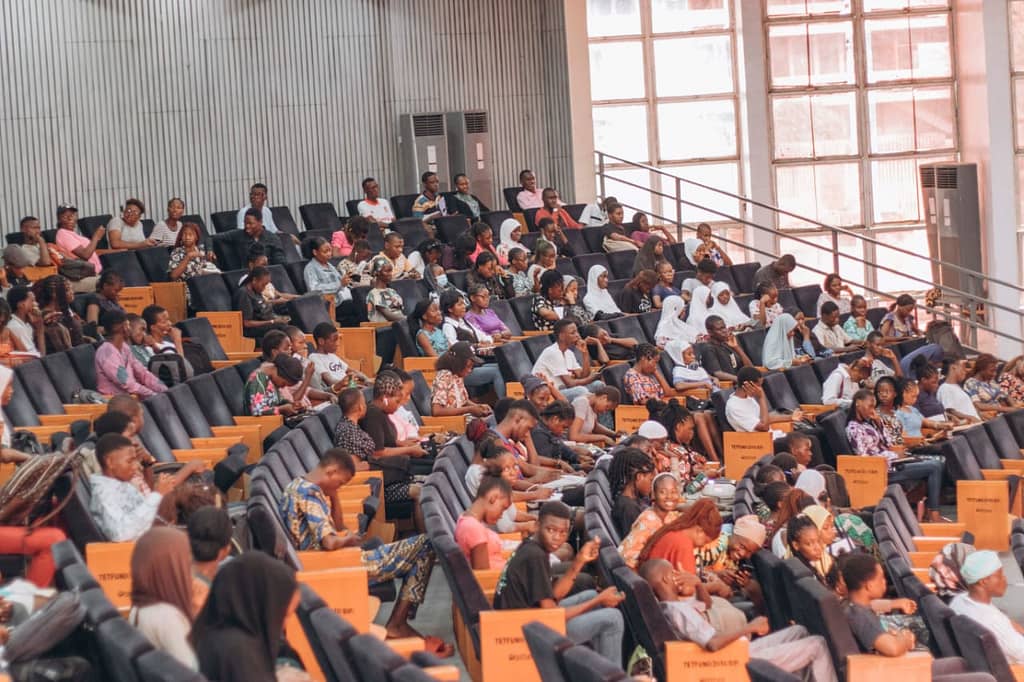
A Nigerian Perspective
In Nigeria, family values remain deeply important.
Marriage and parenthood continue to hold strong cultural significance.
However, even within Nigerian society, subtle changes are appearing.
Young people increasingly consider factors such as:
- economic readiness
• career stability
• emotional maturity
• partnership compatibility
before starting families.
Urbanization and global exposure are influencing how younger generations think about relationships and parenting.
While tradition still plays a strong role, the approach to family life is gradually evolving.
Concerns About Changing Family Structures
These shifts have raised concerns among some observers.
Critics worry that delaying marriage and parenthood could weaken family structures.
Others fear that changing family models may affect cultural continuity.
These concerns reflect genuine questions about how societies will evolve in the future.
However, it is also important to recognize that family structures have always evolved throughout history.
What remains constant is the human desire for connection, care, and belonging.
The Core Values That Remain
Even as family structures change, many core values remain deeply important.
Young people still value:
- love and companionship
• emotional support
• raising responsible children
• creating stable homes
• building meaningful relationships
The difference is not necessarily the rejection of family.
Instead, many young people want to approach family life more intentionally.
They want to build families that are emotionally healthy, financially stable, and supportive of personal growth.
The Future of Parenthood
Parenthood in the future may look more flexible than in the past.
Families may take different forms depending on culture, environment, and personal choices.
But the importance of nurturing the next generation will remain essential.
Healthy families continue to play a vital role in:
- child development
• emotional wellbeing
• social stability
• cultural continuity
No matter how family structures evolve, the responsibility of raising thoughtful, compassionate individuals remains important.
Family life may change with time.
Social expectations may evolve.
Economic realities may influence decisions.
But the deeper purpose of family — caring for one another and supporting future generations — continues to remain meaningful.
The challenge for young people today is not simply choosing whether to follow tradition or change it.
The challenge is building families that reflect wisdom, responsibility, and genuine love.
Tradition Meets Transformation
The traditional family model is not disappearing.
But it is adapting to a changing world.
Young people today are redefining how and when they become parents, often with the intention of building stronger foundations for their families.
Understanding these changes helps societies support younger generations rather than misunderstand them.
Because when young people are empowered with guidance, stability, and opportunity, they can still create families that nurture future generations.
The form may evolve.
But the importance of family will always remain.
Follow us for more updates on our program.
Connect | Support | Collaborate | Donate | Volunteer
ytopglobalintent@gmail.com
www.ytopglobal.org
info@ytopglobal.com