
Introduction
Walk through any major city and you will see energy everywhere.
Busy streets.
Crowded buses.
Full classrooms.
Packed offices.
Endless social media interactions.
Cities are louder, faster, and more connected than ever before.
Yet something surprising is happening to many young people living in these crowded environments.
Despite being surrounded by thousands of people every day, many youths quietly admit a difficult truth:
They feel deeply alone.
This experience is becoming increasingly common in modern cities around the world. It is one of the quiet emotional challenges shaping the lives of young people today.
The Urban Paradox: Crowded but Disconnected
Cities promise opportunity.
They offer better education, more jobs, diverse communities, and endless possibilities for growth. For many young people, moving to a city represents hope and ambition.
But urban life also creates unexpected emotional gaps.
In traditional communities, relationships were often built through:
- extended families
• shared neighborhoods
• religious communities
• local gatherings
• cultural traditions
These structures created a strong sense of belonging.
In modern cities, however, life often becomes more individualistic.
People live close to each other physically but remain distant socially.
Studies on urban living increasingly show that loneliness is rising among young adults.
According to global research discussed by the World Health Organization, loneliness has become a growing concern among young people, especially those living in large urban environments.
Other studies by the Pew Research Center show that younger generations report higher levels of loneliness compared to older adults.
This is not because young people dislike social interaction.
It is often because the nature of relationships has changed.
Why Young People Feel More Isolated in Cities
Several factors contribute to this experience.
1. Fast Paced Urban Life
City life moves quickly.
People rush from one responsibility to another:
- work deadlines
• traffic congestion
• academic pressure
• financial responsibilities
This fast pace leaves little time for deep, meaningful connections.
Many interactions become brief and transactional rather than relational.
2. The Rise of Digital Socializing
Technology allows young people to stay constantly connected online.
Platforms like Instagram, TikTok, and WhatsApp allow communication with hundreds of people instantly.
But digital interaction often lacks emotional depth.
A person can receive many messages, likes, or comments and still feel unseen in real life.
Online connection does not always replace real human presence.
3. Migration and Distance From Family
Many young people move to cities for education or employment.
While this creates opportunity, it also means leaving behind familiar support systems such as:
- parents
• siblings
• childhood friends
• community networks
In unfamiliar environments, building new emotional connections takes time.
During this transition period, loneliness can become very intense.
4. Individualism and Privacy Culture
Urban environments often encourage independence.
While independence can be empowering, it can also reduce everyday social interactions.
In many city neighborhoods:
- neighbors rarely know each other
• people avoid conversations with strangers
• personal space is prioritized over communal interaction
Over time, this culture can weaken community bonds.
A Relatable Nigerian Example
Consider a young graduate who moves from a small town to Lagos for work.
Back home, life may have included:
- family meals
• community gatherings
• neighbors who knew each other
• shared celebrations
In the city, life becomes different.
You wake early.
Navigate heavy traffic.
Work long hours.
Return home tired.
Days pass without meaningful conversations outside work.
Even though millions of people live around you, the feeling of belonging slowly fades.
This experience is becoming increasingly common for young urban residents.
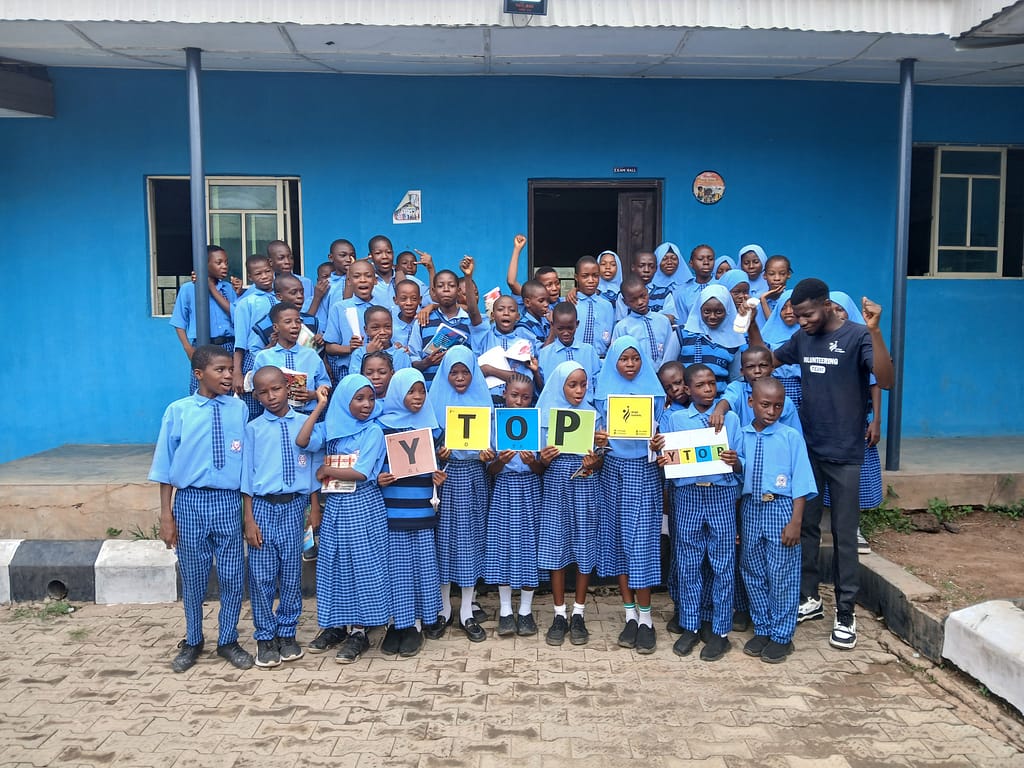
Why Community Still Matters
Human beings are naturally social.
Beyond financial success or career progress, people need emotional connection.
Community provides several important benefits:
- emotional support during difficult times
• encouragement during personal growth
• shared experiences that strengthen identity
• a sense of belonging and acceptance
Without these connections, life can feel empty even when external achievements are present.
How Young People Can Rebuild Community in Cities
While modern cities present challenges, meaningful connections are still possible.
Young people can take intentional steps to rebuild community.
1. Invest in Real Friendships
True friendship requires time and vulnerability.
Prioritize relationships that allow honest conversations rather than surface level interactions.
2. Join Communities of Shared Interests
Communities often grow around shared values or activities.
This could include:
- volunteer groups
• youth development programs
• faith based communities
• sports groups
• professional networks
Shared purpose strengthens relationships.
3. Limit Social Media Comparisons
Online platforms often show curated highlights rather than real life experiences.
Reducing excessive comparison can improve emotional wellbeing and encourage deeper real life interactions.
4. Initiate Conversations
Sometimes building community begins with small steps.
Simple gestures such as greeting neighbors, starting conversations with colleagues, or inviting friends to meet can create meaningful connections.
Community often grows from intentional effort.
Modern cities will likely continue growing.
Urban life will remain fast, dynamic, and full of opportunities.
But progress should not come at the cost of human connection.
Young people may live in crowded cities, but they should never feel invisible within them.
Because success, achievement, and opportunity become far more meaningful when they are shared within supportive communities.
At YTOP Global, we believe young people deserve honesty, encouragement, and support, not pressure to figure life out overnight.
Follow us for more updates on our program.
Connect | Support | Collaborate | Donate | Volunteer
ytopglobalintent@gmail.com
www.ytopglobal.org
info@ytopglobal.com