Introduction
Walk into almost any school, leadership seminar, or youth conference, and you are likely to hear the same statement:
“Readers are leaders.”
It has been repeated so many times that many people no longer stop to ask whether it is actually true.
Can reading alone make someone a leader?
If that were true, every person who finishes dozens of books each year would automatically become successful. Every library would be filled with future presidents, business executives, and changemakers.
But we know that is not the case.
At the same time, when you study the lives of many influential leaders, innovators, and great thinkers, one habit appears repeatedly.
They read.
So, is “Readers are leaders” a truth or simply another motivational slogan?
The answer is more interesting than most people realize.
The statement is both true and incomplete.
Reading alone will not make you a leader.
But it is difficult to become an effective leader without becoming a committed learner.
Why Reading Still Matters in Today’s World
We live in an age where information has never been more accessible.
With a smartphone, you can watch lectures from leading universities, read articles from experts across the world, listen to podcasts, or ask artificial intelligence almost any question.
Ironically, despite having unlimited access to knowledge, many people are reading less deeply than previous generations.
Instead of spending time understanding ideas, many of us consume short videos, headlines, and social media posts that disappear within seconds.
According to research from the Pew Research Center, digital media has changed how people consume information, with shorter attention spans becoming increasingly common. While technology has improved access to knowledge, it has also made focused reading more difficult for many people.
This matters because leadership requires more than quick information.
It requires understanding.
And understanding often comes from deep learning.
Reading Does Not Make You a Leader. It Makes You Capable of Becoming One.
One of the biggest misconceptions about reading is believing that knowledge automatically creates success.
It does not.
A person may read one hundred books on leadership and still struggle to lead a small team.
Another person may read about financial management but continue making poor financial decisions.
The difference is simple.
Knowledge creates potential.
Application creates results.
Reading is valuable because it changes how you think.
It exposes you to ideas beyond your own experiences.
It helps you avoid mistakes others have already made.
It introduces you to perspectives you may never have considered.
But none of that matters unless you put those lessons into practice.
Reading should never be the destination.
It should be the beginning.
Leaders Read Because They Never Stop Learning
If you study many respected leaders across different fields, you will notice something they have in common.
They remain curious.
Warren Buffett has often spoken about spending much of his day reading reports, books, and business information to improve his decision making.
Bill Gates is widely known for reading dozens of books every year and regularly shares recommendations through his annual reading lists.
Closer to home, many respected African academics, entrepreneurs, and public leaders consistently invest time in learning. They understand that the world changes too quickly for anyone to rely only on what they learned years ago.
The goal is not to collect books.
The goal is to continue growing.
A Nigerian Story Many Young People Will Recognize
Imagine two students preparing for graduation.
Both attend lectures.
Both pass their examinations.
After graduation, one believes learning has ended.
The other continues reading books about communication, leadership, technology, personal finance, and emotional intelligence.
Five years later, the difference becomes obvious.
The second graduate communicates with more confidence.
They solve problems more effectively.
They understand people better.
They recognize opportunities others overlook.
Was the difference intelligence?
Probably not.
The difference was continuous learning.
Small lessons accumulated over time eventually produced a significant advantage.
That is how growth often works.
Reading Builds the Mind Before Success Builds the Life
Every dream begins in the mind before it becomes visible in the world.
An entrepreneur must first understand business before building one.
A researcher must first understand a problem before solving it.
A leader must first understand people before inspiring them.
Reading strengthens your ability to think clearly, ask better questions, and make wiser decisions.
The World Economic Forum consistently identifies critical thinking, analytical thinking, creativity, and continuous learning among the most important skills for the future workforce.
These abilities cannot be developed by scrolling endlessly through social media.
They grow through intentional learning and reflection.
Not Every Book Will Change Your Life
One reason some people become discouraged about reading is that they expect every book to transform them.
Learning rarely works that way.
Most books offer one or two ideas that stay with you.
Over time, those ideas begin to shape your thinking.
One book may improve your communication.
Another may help you understand money.
Another may teach resilience.
Growth happens gradually.
It is less like flipping a switch and more like planting a tree.
You may not notice the difference immediately.
But years later, the roots are strong.
Reading Without Reflection Is Like Eating Without Digestion
Many people measure success by the number of books they finish.
A better question is this:
How many books have changed the way you live?
Reading quickly is not the goal.
Understanding deeply is.
When you finish reading something valuable, pause and ask yourself:
What did I learn?
What challenged my thinking?
What can I apply this week?
The greatest readers are not necessarily those who finish the most books.
They are those who allow good ideas to shape their actions.
Building a Reading Habit That Lasts
You do not need to read for three hours every day to become a lifelong learner.
Begin with twenty minutes.
Carry a book with you.
Listen to audiobooks while travelling.
Replace a few minutes of social media with a chapter from a meaningful book.
Read books that answer the questions you are currently facing.
If you want to improve your finances, read about money.
If you want to become a better communicator, study communication.
If you want to lead people well, read about leadership.
Learning becomes easier when it solves real problems.
So, Are Readers Really Leaders?
The answer is yes, but not because reading magically creates leadership.
Readers become leaders because reading helps them become better thinkers.
Better thinkers make better decisions.
Better decisions build stronger character.
Stronger character earns trust.
And trusted people often become leaders.
Leadership is not built by reading alone.
It is built when learning is followed by action.
Reflect on These Questions
When was the last time you read a book that genuinely challenged your thinking?
Do you spend more time consuming entertainment than developing your mind?
If someone looked at your daily habits, would they conclude that learning is one of your priorities?
What one book could help you become the person you want to be over the next year?
The answers to these questions may reveal more about your future than you realize.
Final Thoughts
The statement “Readers are leaders” is not a myth.
It is also not the complete truth.
A more accurate statement would be this:
Readers who apply what they learn become the leaders others respect.
Knowledge without action changes very little.
Action without knowledge often leads to unnecessary mistakes.
When learning and action come together, growth becomes inevitable.
So, keep reading.
Keep asking questions.
Keep learning from people who have gone before you.
Then take what you learn and use it to serve your family, your community, and your generation.
Because the world does not simply need people who know more.
It needs people who use what they know to make life better for others.
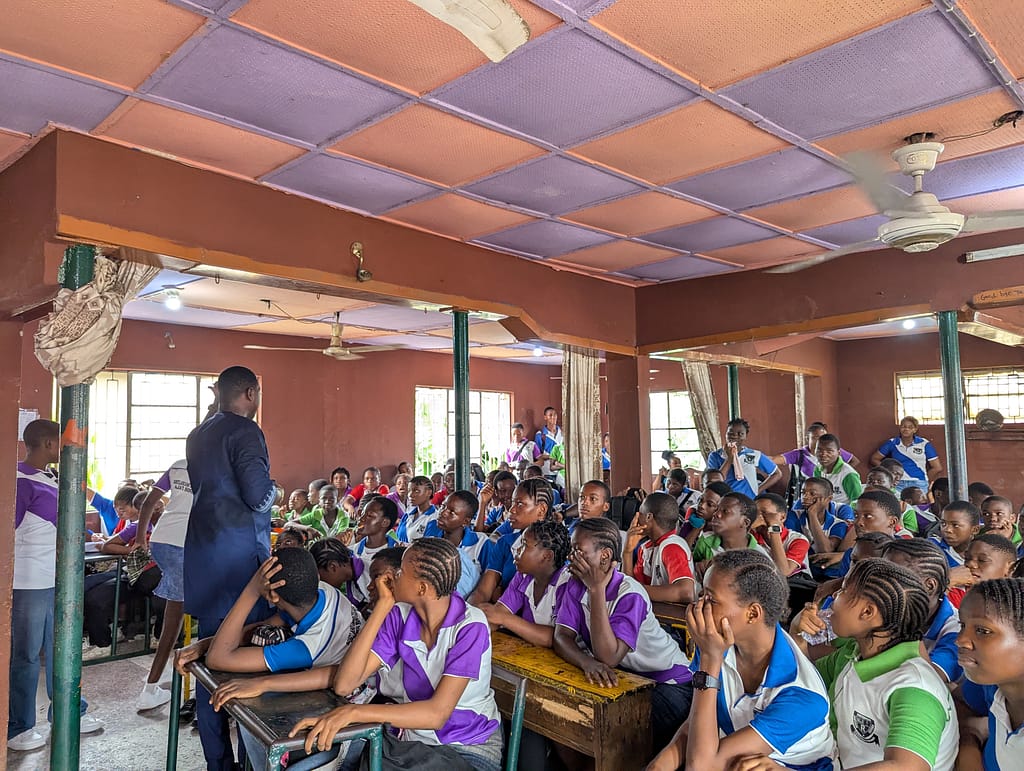
At YTOP Global, we believe that reading is more than an academic habit. It is a lifelong investment in leadership, character, and personal growth. Through our mentorship programs, leadership development initiatives, school outreaches, book discussions, and capacity building opportunities, we encourage young people to become lifelong learners who turn knowledge into meaningful action and lasting impact.
At YTOP Global, we believe young people deserve honesty, encouragement, and support, not pressure to figure life out overnight.